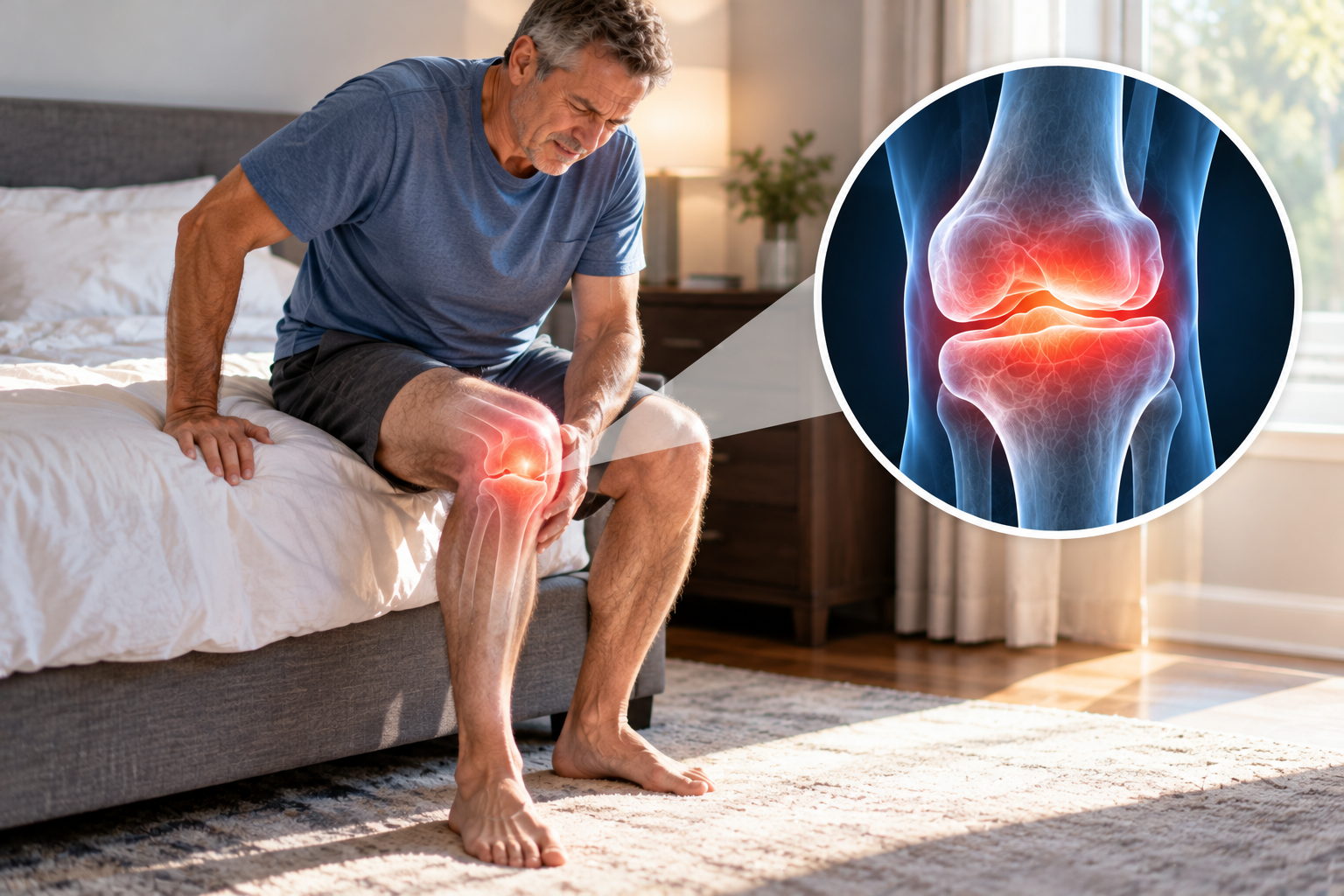
One of the most common questions patients ask after hearing they have arthritis is:
“Can cartilage grow back?”
It’s an understandable question.
If cartilage has worn down, rebuilding it sounds like the obvious solution.
But the real answer is more nuanced than a simple yes or no.
Cartilage is the smooth tissue that cushions the ends of bones inside a joint. It allows:
When cartilage thins, joints can feel stiff, inflamed, or painful.
In most adults, significant cartilage loss does not fully regenerate naturally.
Unlike skin or muscle, cartilage has:
So complete “regrowth” of thick cartilage isn’t typically how improvement happens.
But that doesn’t mean improvement isn’t possible.
Here’s what many people don’t realize:
Pain is influenced by more than cartilage thickness.
Symptoms are often driven by:
That’s why two people with similar cartilage loss can feel very different.
Improving the joint environment can reduce pain and improve function, even if imaging doesn’t change dramatically.
Instead of trying to “replace” cartilage overnight, many non-surgical approaches focus on:
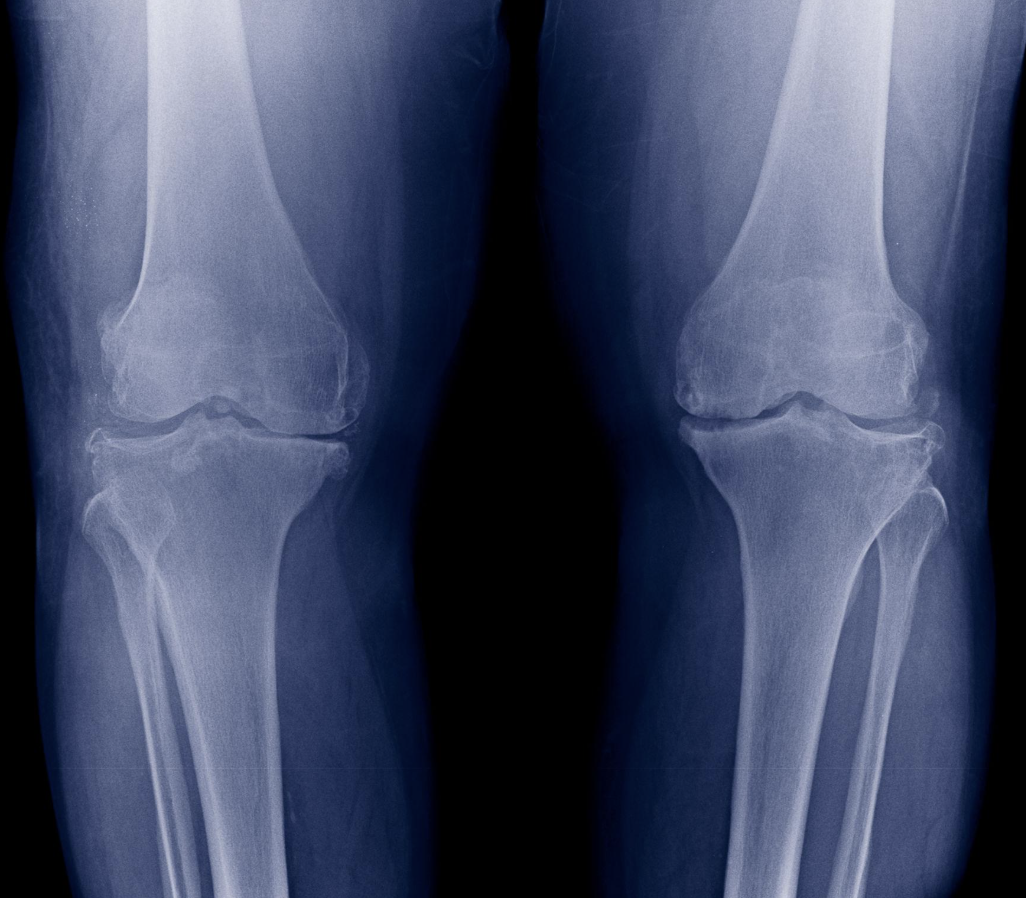
The goal is improving how the joint functions, not just how it looks on X-ray.
For many patients, better function means:
There are cases where joint damage is severe enough that surgical replacement is appropriate.
But many patients benefit from exploring conservative options first, especially when pain is moderate and mobility is still present.
Cartilage doesn’t typically “grow back” the way people imagine.
But joints can often function better than expected when inflammation is reduced and movement improves.
If you’ve been told you have cartilage loss or arthritis, the more important question may be:
How well can this joint function moving forward?
At Buffalo Arthritis & Joint Pain Center, we help patients understand what cartilage loss really means and explore non-surgical options designed to improve mobility and reduce pain.
👉 Cartilage loss doesn’t automatically mean the joint is finished.