One week it’s warm and sunny.
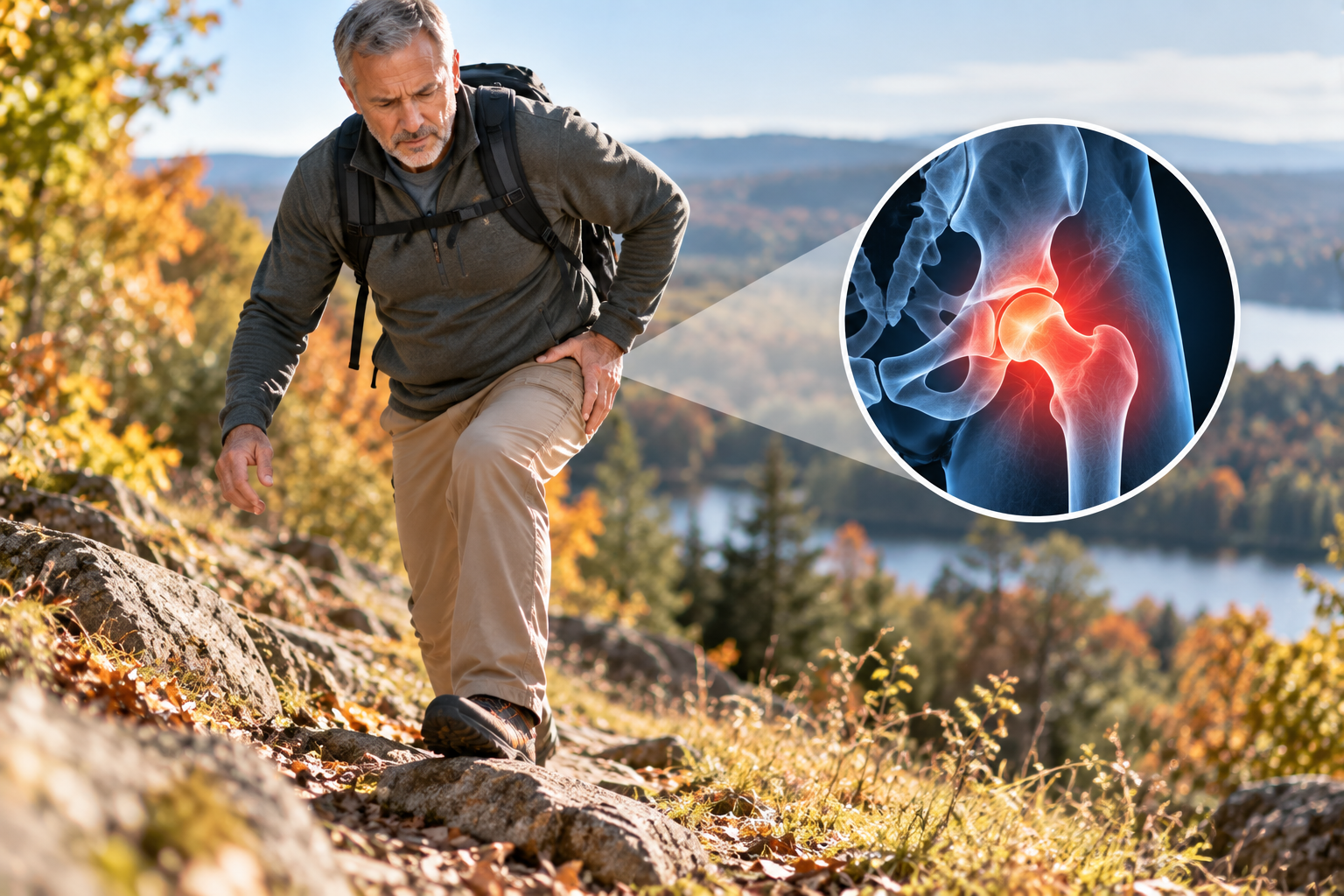
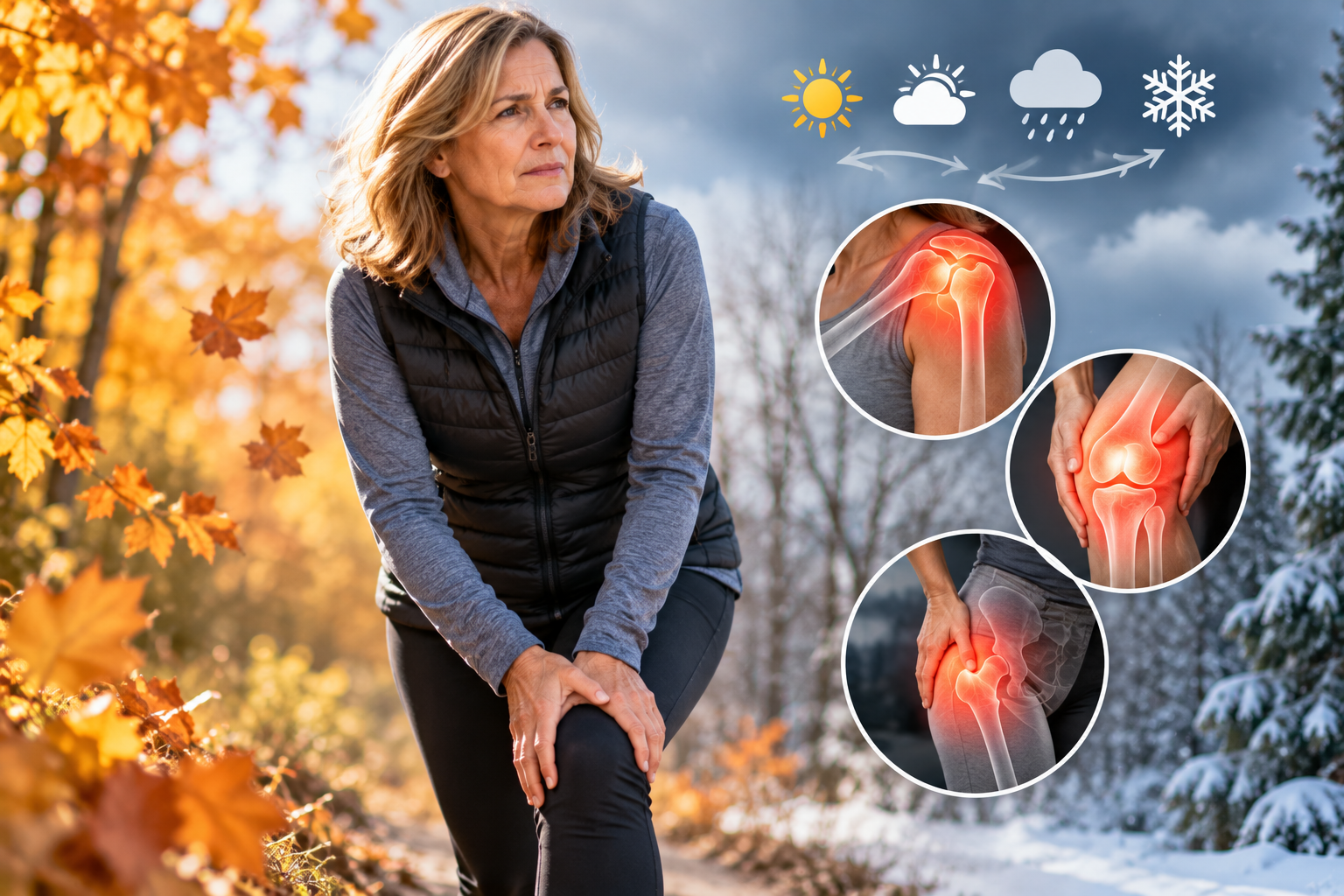
A few days later, the temperature drops, the rain moves in, and suddenly your knees, hips, shoulders or back seem to know about it before you even check the forecast.
Sound familiar?
Many people with arthritis and chronic joint pain say their symptoms change with the weather, especially during the transition from summer into fall and winter.
And while people sometimes joke about being able to “feel the weather in their bones,” there may actually be reasons certain weather changes are associated with increased joint symptoms.
Possibly.
Research on weather and arthritis has produced mixed results, and scientists haven't identified one simple weather variable that affects everyone.
But studies have found associations between joint pain and factors such as:
🌡️ Temperature changes
🌧️ Humidity
📉 Barometric pressure
💨 Wind
☔ Rainy or damp conditions
The important distinction is that weather isn't necessarily making your arthritis worse or causing additional joint damage.
Instead, certain weather conditions may influence how an already irritated or arthritic joint feels.
Barometric pressure is essentially the pressure exerted by the atmosphere around us.
Before storms and changing weather patterns, that pressure can rise or fall.
One theory is that changes in atmospheric pressure may affect tissues surrounding an already sensitive joint, potentially contributing to increased discomfort.
That doesn't mean every aching knee can predict a storm.
But for some people with chronic joint problems, the pattern feels surprisingly consistent.
Cold temperatures may also change how your body feels and moves.
When you're cold, muscles can feel tighter and movement may feel less comfortable.
If you already have arthritis, that can make an otherwise manageable joint feel noticeably stiffer.
Think about a knee first thing on a cold morning.
You stand up and those first several steps feel difficult.
After you've walked around for a few minutes, things may loosen up.
That “start-up stiffness” is common with arthritis—and colder weather may make it more noticeable for some people.
There may be another explanation that has nothing to do with atmospheric pressure.
Your routine changes.
During warmer months, you may naturally:
🚶 Walk more
🌳 Spend more time outside
🚴 Exercise more frequently
🏡 Work around the yard
☀️ Stay generally more active
Then fall arrives.
Days get shorter. Temperatures drop. Rain and eventually snow make outdoor activity less appealing.
Someone who was walking several miles per week may suddenly spend considerably more time sitting.
For an arthritic joint, less movement can mean more stiffness.
Ironically, seasonal changes can create the opposite problem too.
You may be less active most of the week—and then suddenly spend an entire Saturday:
🍂 Raking leaves
🪵 Moving firewood
🧹 Cleaning gutters
🌿 Preparing the yard for winter
📦 Moving outdoor furniture
That sudden increase in activity can aggravate knees, hips, shoulders and the lower back.
Sometimes what feels like “the weather hurting my joints” may partly be the activities that come with the changing weather.
Knees are particularly vulnerable because they're constantly bearing weight.
Someone with knee arthritis may notice more:
🦵 Morning stiffness
🪜 Difficulty with stairs
🪑 Pain standing after sitting
🚶 Discomfort during longer walks
💧 Swelling after activity
🌙 Aching later in the day or at night
And once snow and ice arrive, people sometimes change how they walk—taking shorter, more cautious steps and tightening their muscles—which can create additional stress.
Seasonal joint complaints aren't limited to knees.
Hip arthritis may become more noticeable when walking tolerance decreases or the joint becomes stiff after sitting.
Back pain may flare when people become less active or suddenly perform demanding seasonal chores.
Shoulder problems can become more noticeable while raking, carrying, reaching or eventually shoveling snow.
That's why maintaining some consistency in your activity level throughout the year can be important.
When joints hurt, the natural response is often to protect them by moving less.
Sometimes temporary rest is appropriate.
But completely avoiding activity can create a cycle:
Pain → less movement → stiffness and weakness → movement becomes harder → even less activity.
Instead, appropriate low-impact movement and strengthening may help maintain mobility and muscle function.
Depending on your health and joint condition, that might include walking indoors, stationary cycling, swimming, gentle mobility exercises or an appropriate strengthening program.
If you know fall and winter are typically harder on your joints, don't wait until you're barely moving to pay attention.
Consider:
✅ Maintaining regular activity as the weather changes
✅ Warming up before yard work or exercise
✅ Breaking large outdoor projects into shorter sessions
✅ Avoiding sudden dramatic increases in activity
✅ Continuing appropriate strength and mobility exercises
✅ Wearing supportive footwear, particularly as conditions become slippery
And if pain is steadily worsening rather than simply fluctuating with the weather, consider having it evaluated.
This is important.
If your knee, hip or shoulder hurts more every fall, it's easy to say:
“It's just the weather.”
But increasing pain can also reflect progression of arthritis, weakness, reduced mobility or another underlying problem.
Pay attention if you're experiencing:
🚩 Increasing difficulty walking
🚩 Recurrent joint swelling
🚩 Loss of range of motion
🚩 Increasing weakness or instability
🚩 Pain consistently waking you at night
🚩 Giving up activities because of the joint
A hot, red, significantly swollen joint—particularly with fever—or severe pain following an injury should receive prompt medical attention.
If your joints seem to complain every time Western New York transitions into colder weather, you're certainly not the only person who notices the pattern.
Changes in temperature, humidity and barometric pressure may influence symptoms for some people, while changes in activity, muscle stiffness and seasonal chores can also play an important role.
But seasonal pain doesn't mean you simply have to suffer until spring.
At Arthritis & Joint Pain Center, we help appropriate patients with chronic knee, hip and other joint pain understand what's contributing to their symptoms and explore non-surgical treatment options, with the goal of reducing pain and improving mobility.