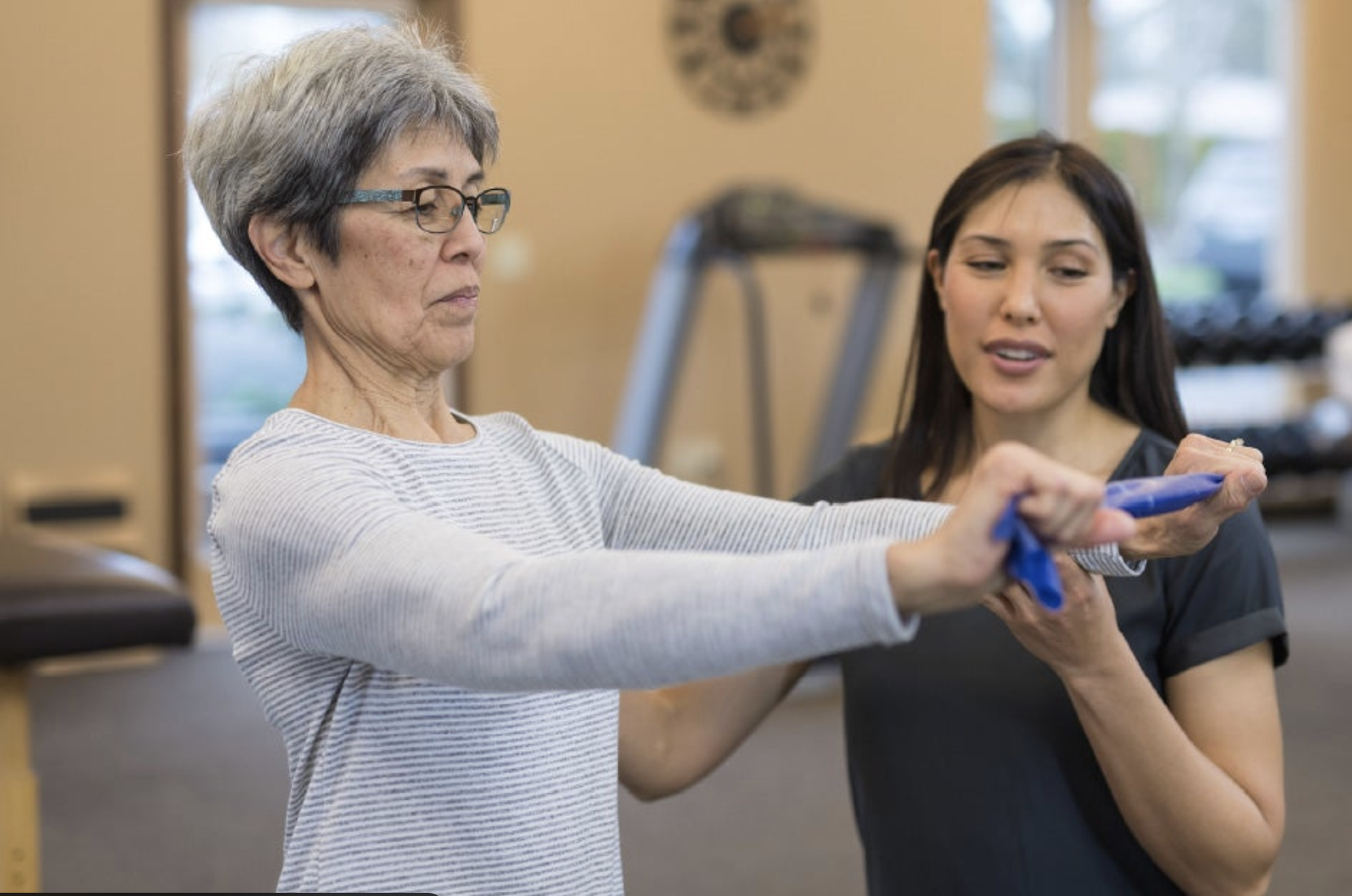
For many people with joint pain, physical therapy is the first recommendation.
And for good reason, PT can:
But what happens when you’ve done weeks or months of therapy…
and the pain is still there?
That’s when patients start asking:
“Did PT fail?”
Not exactly.
Early on, PT works because it:
For many people, this leads to noticeable improvement.
But for others, progress eventually stalls.
When physical therapy stops helping, it usually means one of three things:
If a joint has:
Muscle strengthening alone may not be enough to overcome the underlying joint stress.
PT improves movement but it doesn’t always:
So even with better strength, pain may persist.
In some cases, exercises themselves:
Patients often say:
“I got stronger, but it still hurts.”
That’s an important clue.
It usually doesn’t mean:
It means:
The joint needs a different type of support.
Physical therapy focuses on movement.
But chronic joint pain often requires attention to:
Not just muscle activation.
When PT stops helping, patients are often told:
But that usually just means:
Standard rehab has reached its limit.
Not that all non-surgical options are gone.
Instead of asking:
“Why didn’t PT fix me?”
A better question is:
“What does my joint need now that movement alone isn’t enough?”
For many people, addressing joint health directly not just mechanics leads to better long-term results.
Physical therapy is an important tool.
But it’s not the final answer for every joint problem.
If PT helped at first and then stopped working, it doesn’t mean you’re out of options it means your joint may need a different kind of support to truly improve.
At Buffalo Arthritis & Joint Pain Center, we help patients understand why progress stalls and what non-surgical options may still make sense before considering surgery.
👉 Plateauing doesn’t mean failing. It means it’s time for a new strategy.