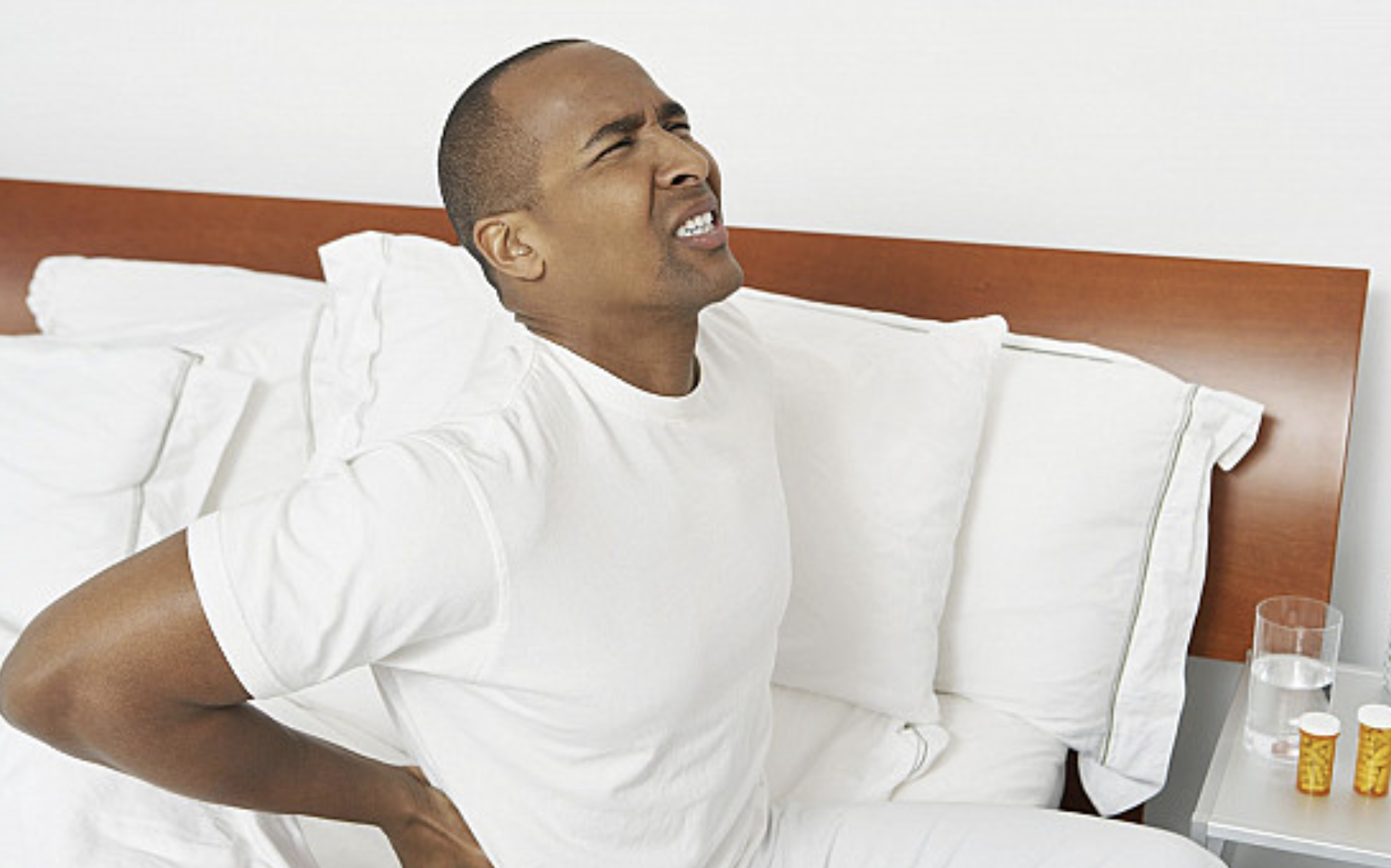
Many people with joint pain notice the same frustrating pattern:
They sit for a while…
They rest…
And when they stand up again, the joint feels stiff, tight, or painful.
This leads to an understandable question:
“If rest is supposed to help, why do I feel worse after it?”
The answer has less to do with damage and more to do with how joints stay healthy.
Unlike muscles, joints don’t receive strong direct blood flow.
Instead, joints rely on movement to:
When a joint sits still for too long, this process slows down.
The result:
After sitting or sleeping:
When you stand up, the joint suddenly has to bear load again before it’s fully “warmed up.”
That’s why many people feel:
Often, the discomfort improves after a few minutes of movement.
Rest is important for acute injuries.
But with chronic joint problems, too much rest can:
This creates a cycle where:
Rest → stiffness → pain → less movement → more stiffness.
This doesn’t mean pushing through pain or overexercising.
Healthy joint movement usually means:
Small, consistent movement helps joints function better than long periods of inactivity.
If pain after rest:
It may indicate ongoing inflammation or joint stress that needs attention.
Joints don’t always feel better with rest because joints are built for motion.
If stiffness and pain consistently appear after sitting or sleeping, it’s often a sign the joint needs better movement and support, not just more rest.
At Buffalo Arthritis & Joint Pain Center, we help patients understand how joint function changes over time and how non-surgical approaches can help improve movement and comfort.
👉 Movement, not just rest, keeps joints healthy.